Digital Oral Storytelling
Oral Storytelling Augmented by Digital Audio Platforms
KEY HIGHLIGHTS
Podcasting offers a multi-sensory, accessible format that supports broad reach, participatory engagement, and intergenerational exchange.
Multilingual podcasts can enhance the accessibility and visibility of the oral traditions of Indigenous cultures in diasporic contexts.
Engaging in the creation of a podcast on oral traditions can facilitate intergenerational transmission and strengthen cultural identity.
Podcasts are increasingly serving as accessible, participatory spaces where knowledge-holders, tradition-bearers, heritage experts, and community members share stories that document oral traditions, preserve languages, and foster intergenerational dialogue within and beyond their communities. The aim is to document, disseminate, and revitalize oral traditions and endangered languages, through community engagement and distributed knowledge platforms.
Key features shaping this trend include the collaborative processes where community narrators and younger generations actively co-create podcasts revealing hidden or marginalized narratives. Podcasts offer a sonic immediacy and emotional intimacy that written histories often cannot replicate, enabling direct transmission of tone, language, and expression, essential elements of oral tradition. Furthermore, many projects emphasize intergenerational learning, supporting reciprocal knowledge exchange and strengthening community identity over time.
This development support the digital valorization of oral traditions by extending their performative and storytelling functions. Unlike previous practices confined to face-to-face transmission or isolated recordings, podcasts provide a widely distributable, participatory platform that blends sound design with historical documentation and narration. They also create sharable archives hosted on public digital platforms, thus expanding public access while considering community control and intellectual property considerations.
Recent initiatives, such as The Voices of History of Ismaili communities, and Southern Ohio Folklife’s bilingual podcast series exemplify this convergence: oral storytelling augmented by digital audio platforms to both preserve and actively engage diverse cultural narratives.
The trend aligns with broader societal shifts toward participatory media, democratized storytelling, and the resurgence of interest in local and marginalized histories. Advances in accessible recording technology, user-friendly editing software, and podcast distribution channels propel this movement, alongside educational collaborations that embed oral history practice in school curricula and cultural institutions. Nevertheless, challenges include risks of cultural appropriation, digital divides affecting community access, and ethical complexities of consent, control, and representation of sensitive knowledge. The sustainability of such projects often depends on funding, formal training in sound technology, and ongoing community involvement to maintain authenticity and relevance.
OPEN CHALLENGES
Sustainability and funding constraints
The sustainability of these initiatives depend on funding, community involvement and outreach efforts.
Potential dilution or loss of contextual depth
Decontextualized audio narratives risk privileging accessibility simplifying, altering, commodifying or omitting the complex rules, meanings, or practices that are essential to the original tradition.
Privileging individuals storytelling over community
Podcast formats inevitably foreground selected individuals whose accounts may be misconstrued as representing the entirety of a community.
Platforms volatility and overcompetition
The volatility of podcast platforms and the overcompetition among cultural content, which may reduce visibility or even result in the effective disappearance of certain initiatives
CALLS TO ACTION
Gain technical knowledge in sound recording, editing, and podcast production tools to create high-quality audio narratives.
Build intergenerational partnerships to ensure continuity of oral traditions and adapt stories for younger audiences.
Advocate for ethical guidelines that prioritize consent, community rights, and cultural sensitivity in digital dissemination
Establish collaborative networks among community members, historians, educators, and media producers to share resources and expertise.
Key Technologies
Key Skills
ILLUSTRATIVE CASES FROM THE WEB
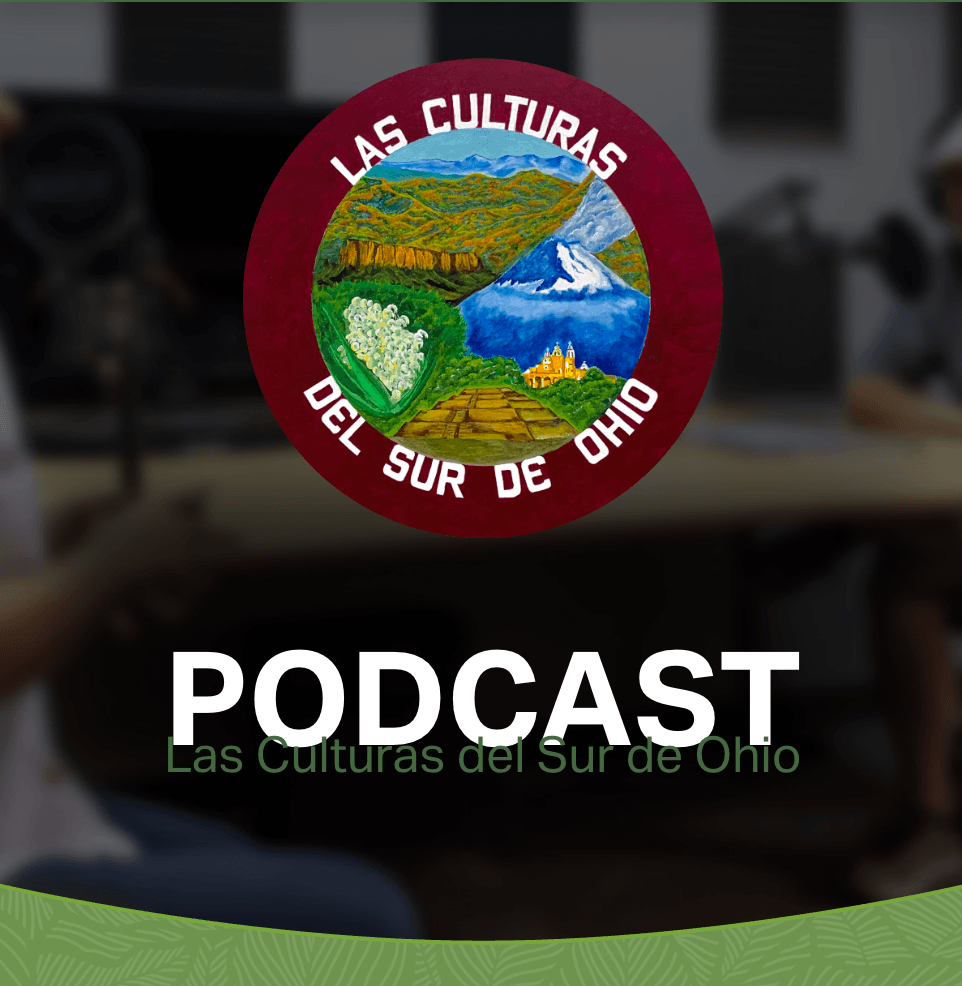
Las Culturas del Sur de Ohio
Oral histories and contemporary lifeways of individuals from Latin American countries residing in southern Ohio.
Mediterranean Intangible Heritage Soundscape: UNIMED Podcast
Poking around the Mediterranean, this podcast gives voices to researchers, scholars, performers and artists who are digging through its rich intangible cultural heritage with music and poetry always in mind.
ISCU Oral History Project
Oral History Project by the Ismaili Special Collections Unit (ISCU) is dedicated to the documentation, preservation, and dissemination of local histories, representing the intangible cultural heritage of the diverse Ismaili communities worldwide.
RESEARCH
2025
Transforming Orality: The Podcast for Preserving Ecuadorian Traditions and Legends
Juan Pablo Arrobo-Agila, Abel Suing, Mónica Loyola Sarmiento, Ciro Almachi Oñate
Visual Review. International Visual Culture Review
2024
Indigenous digital storytelling: digital interfaces supporting cultural heritage preservation and access
Ali Shiri, Deanna Howard, Sharon Farnel
International Information & Library Review
2022
My story, my voice: Student podcasts examining oral histories on diversity in East Central Indiana.
Gabriel B. Tait, and Rebecca A. Schriner
Oral History and Qualitative Methodologies. Routledge
Subscribe to the newsletter
Stay updated on our latest research, tools, and cultural heritage insights. Subscribe to our newsletter!
By subscribing, you agree to receive communications related to the TRAMA project.
CONTACT
NEWSLETTER