AI-powered Translation Technologies for Low-Resource Languages
How AI could shape the future of language preservation and dissemination and what it means for the workers and bearers of these heritages
KEY HIGHLIGHTS
AI-powered translation tools can support documentation and transmission of low-resource languages
The trend is driven by advancements in natural language processing (NLP), globalization, and decolonization movements.
Community-led, culturally sensitive approaches can contribute addressing data and ethical gaps
Language is the lifeblood of cultural identity, memory, and shared knowledge. As languages face accelerating endangerment worldwide, a clear emerging trend is the growing use of AI-powered translation technologies to preserve, revitalize, and transmit oral traditions and expressions by widening communication, documentation, and intergenerational transmission capacities.
The trend manifests in the growing deployment of AI-powered tools such as low-resource language models (LrLMs), automatic speech recognition (ASR), real-time speech-to-speech translation, and localized interfaces optimized for indigenous and endangered languages.
The trend sits at the intersection of rapid digital transformation, increasing globalization pressures threatening linguistic diversity, and decolonization efforts aiming to valorize Indigenous Knowledge Systems (IKS). It responds to UNESCO reports highlighting the endangerment of 40% of global languages, acknowledging that language loss equates to cultural erosion. In this context, demographic shifts with diaspora communities and multilingual urban settings create both deman
Additional drivers propelling this trend include advancements in natural language processing (NLP), increased availability of digital linguistic data through community-based data collection, cross-disciplinary research collaborations (e.g., involving AI experts, anthropologists, and local speakers), and policy initiatives supporting language rights and digital inclusion.
The trend embodies tension between technological optimism and cultural specificity demanding culturally sensitive, community-led approaches. Pioneering projects often operate within frameworks encouraging co-creation and validation by native speakers to ensure accuracy and respect cultural meanings. The accessibility of open-source tools facilitates wider participation, while emerging funding streams recognize the cultural and economic value of indigenous language technology.
OPEN CHALLENGES
Data scarcity and accessibility
High-quality, digitized language resources are limited, while marginalized communities often face uneven access to digital infrastructure, constraining AI development and equitable participation.
Cultural and ethical risks
AI deployment can raise ethical concerns, including cultural appropriation, data sovereignty, and the commodification of living heritage without proper community oversight.
Technological limitations
Current AI struggles with dialectal variation, oral traditions, and nuanced meanings, leading to potential inaccuracies or mistranslations that distort cultural heritage.
Representitiveness Gap
Language experts and heritage bearers are often underrepresented in technology governance, reducing opportunities for informed decision-making and culturally sensitive AI development.
CALLS TO ACTION
Engage as active partners in data collection, linguistic validation, and cultural contextualization.
Develop translation skills integrated with digital literacy to interface effectively with technology.
Collaborate with AI developers to shape culturally grounded algorithms and models.
Advocate for policies that respect indigenous data sovereignty and promote equitable tech access.
Key Technologies
Key Skills
ILLUSTRATIVE CASES FROM THE WEB
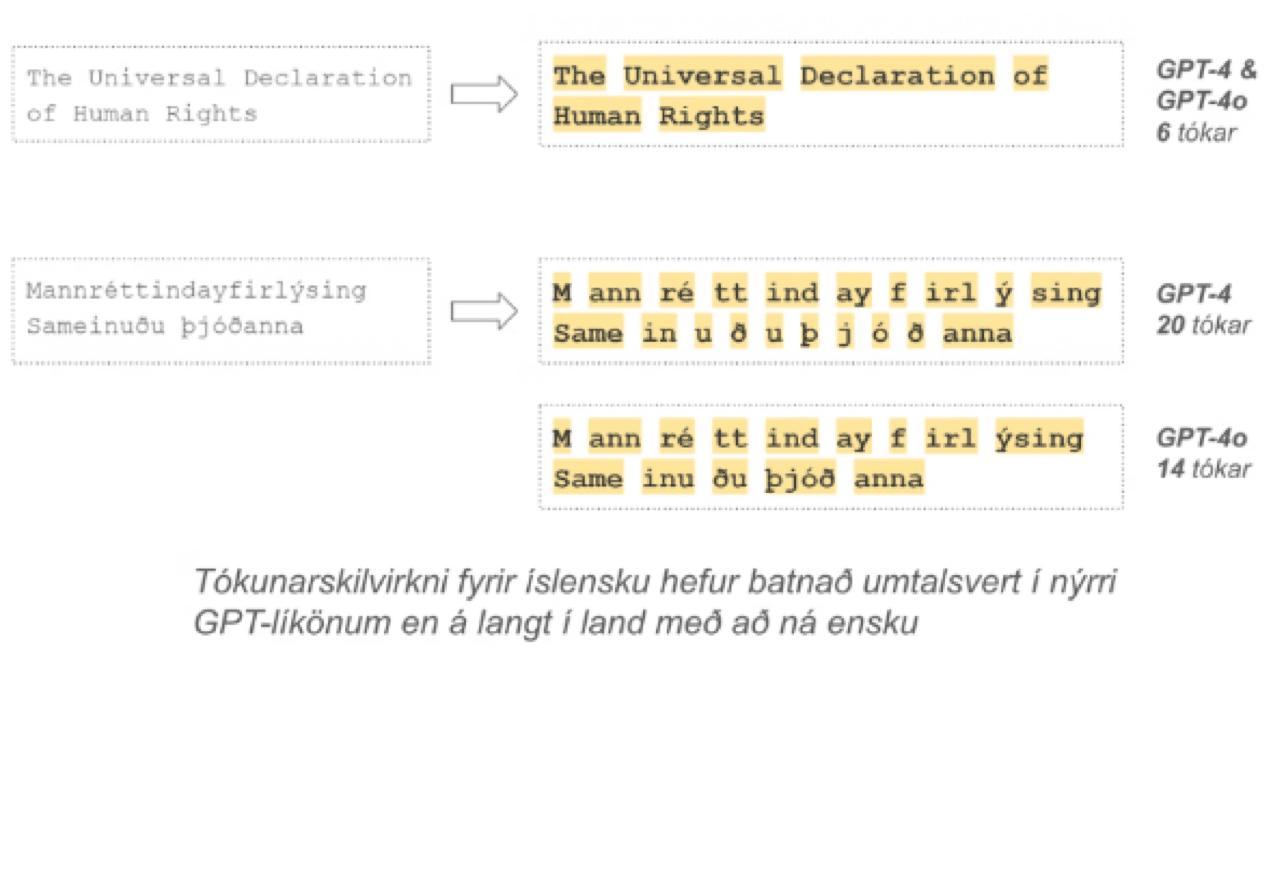
GPT-4 for Icelandic Language
An improved conversational model that present significant progress in generating Icelandic text, both in terms of grammar and general fluency.
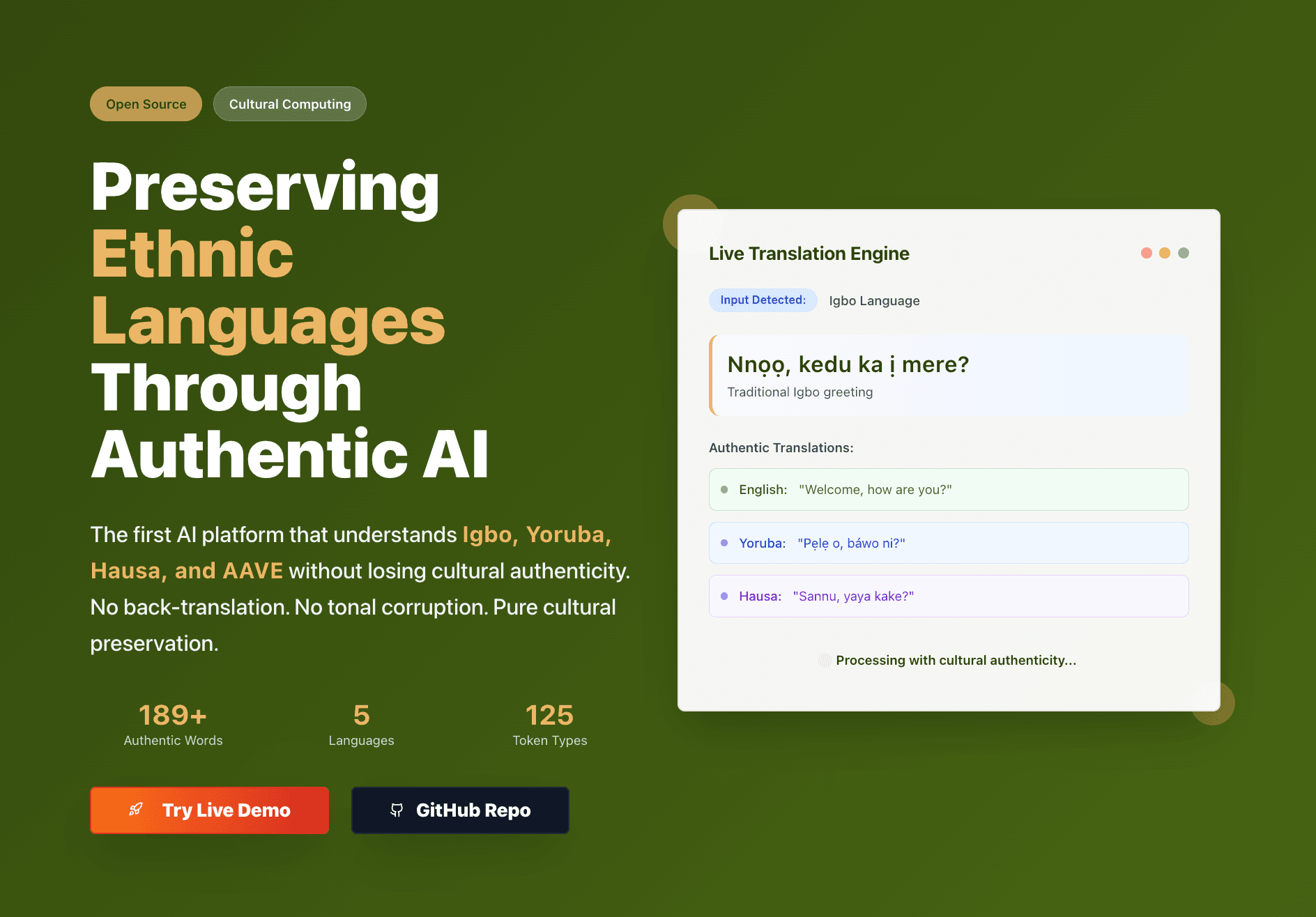
AfaAI Authentic Ethnic Language AI Platform
Preserving ethnic languages through innovative AI technology while maintaining cultural authenticity and tonal consistency.
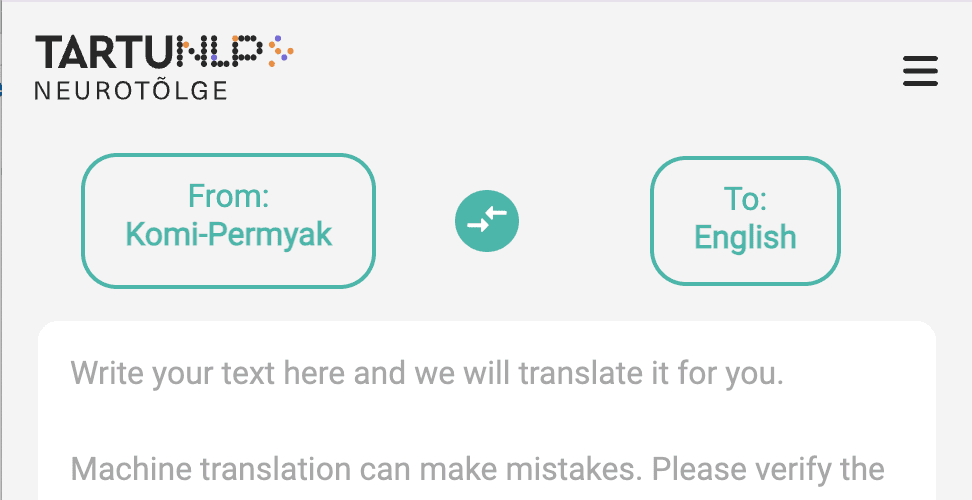
Neurotõlge. Finno-Ugric machine translation engine
Building high quality machine translation technology available for low and higher resource languages (Finno-Ugric languages).
RESEARCH
2024
Attention is all low-resource languages need
D. Poupard
Translation Studies Journal
2024
Teaching Large Language Models to Translate on Low-resource Languages with Textbook Prompting
P. Guo, Y. Ren, Y. Hu, Y. Li, J. Zhang, X. Zhang, H. Huang
International Conference on Language Resources and Evaluation
2025
Opportunities and Challenges of Large Language Models for Low-Resource Languages in Humanities Research
T. Zhong, Z. Yang, Z. Liu, R. Zhang, Y. Liu, H. Sun, Y. Pan, Y. Li, Y. Zhou, H. Jiang, J. Chen, T. Liu
arXiv
Subscribe to the newsletter
Stay updated on our latest research, tools, and cultural heritage insights. Subscribe to our newsletter!
By subscribing, you agree to receive communications related to the TRAMA project.
CONTACT
NEWSLETTER